
Introduction
Many people think they need a website before they start affiliate marketing. Even though having a website has long-term benefits, it is possible to make money with affiliate marketing even without a website. Thanks to media, video sites, email marketing, and online groups, there are many ways to connect with people who might want to buy the products you promote.
The main thing is to focus on giving information, building trust, and using places where your audience already spends time.
This guide presents ways you can earn money with affiliate links without building your website.
Is Affiliate Marketing Without a Website?
Yes. Many people make money with affiliate marketing using sites that already have a lot of people.
Examples include:
- YouTube
- TikTok
- Podcasts
- Email newsletters
Even though these ways can work, remember that the rules and ways the platforms work can change. That is why it is a good idea to use more than one way to promote your products.
1. Use YouTube
Make videos such as:
- Product reviews
- Tutorials
- Unboxing videos
- Buying guides
Put your affiliate links in the video descriptions and talk about them naturally while you are making the video.
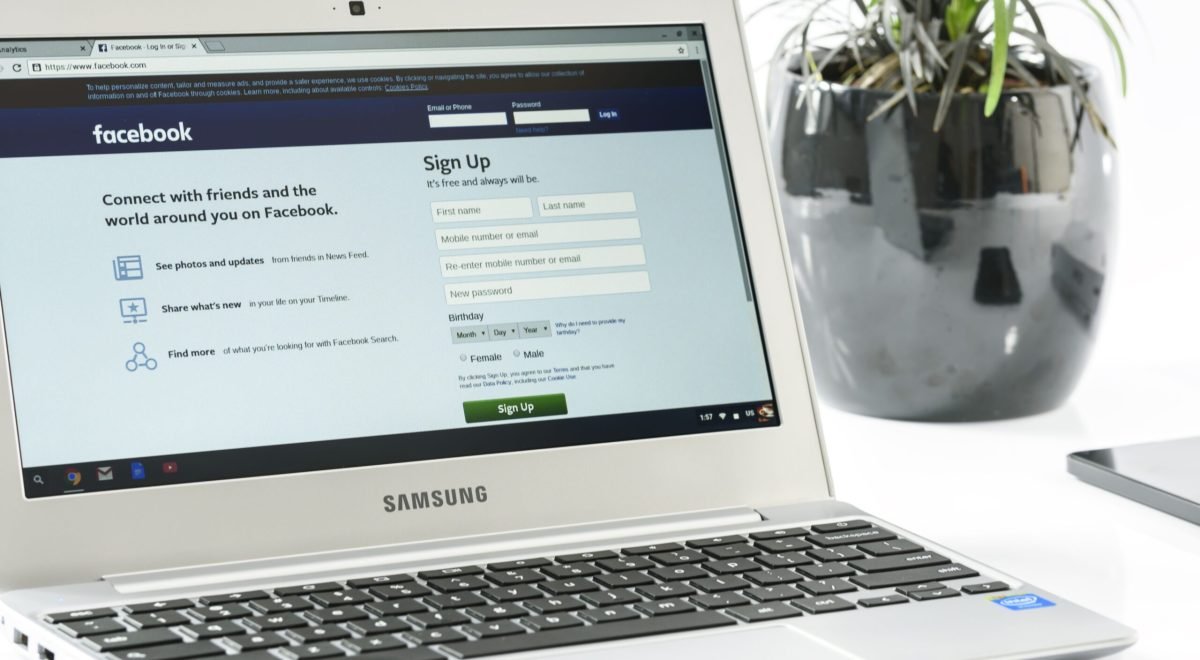
2. Promote Through Facebook
Facebook has chances to connect:
- Business pages
- Interest groups
- Live videos
- Stories
Share helpful content instead of putting too many affiliate links.
3. Grow on Instagram
Instagram is great for topics like:
- Beauty
- Fashion
- Fitness
- Travel
- Home decoration
Use good pictures, Reels and Stories to connect with your audience.
4. Create TikTok Videos
Short videos can reach a lot of people quickly.
Show:
- Product demonstrations
- Quick tips
- Reviews
- Tutorials
Send people to your affiliate links using your profile or approved ways to share links.
5. Use Pinterest
Pinterest acts like a search engine.
Make pins that lead to:
- Landing pages
- Product details
- Educational content (when allowed)
Pinterest content can keep bringing traffic for months.
6. Build an Email List
Email marketing lets you talk directly to people who want to hear from you.
Send:
- Helpful tips
- Product suggestions
- Special deals
- Industry news
Always follow rules for email marketing and say when you are using affiliate links.
7. Start a Podcast
People who listen to podcasts often trust the people who make them.
Talk about:
- Trends in the industry
- Product suggestions
- Interviews
- Educational topics
Mention products that are related to your show naturally.
8. Participate in Online Communities
Join in:
Forums
Facebook groups
Professional groups
Q&A sites
Focus on helping people rather than pushing products too much.
9. Create Downloadable Resources
Make things like:
Checklists
Templates
Guides
Worksheets
You can add some affiliate links where it makes sense and make sure to say it is an affiliate link.
10. Publish eBooks
An eBook that gives information can include good affiliate links that really help readers.
Pick topics that match your skills and what your audience wants to know.
11. Use Professional Networking Sites
If your area is for professionals, sites like LinkedIn can help you:
- Post useful content
- Share industry knowledge
- Build your name in the field
- Connect with people who make decisions
Information that’s useful works better than straight ads.
12. Build Your Personal Brand
No matter which site you use, your personal brand is very important.
Build trust by:
- Sharing experiences
- Posting often
- Offering useful information
Advantages and Disadvantages
Advantages
- Low startup cost
- Beginner-friendly
- Quick to launch
- Flexible
Disadvantages
- Less control over content
- Dependence on third-party platforms
- Algorithm changes
- Fewer SEO opportunities
A brand that is trusted often leads to more people buying.
Tips for Success
To do well with affiliate marketing without a website, remember these habits:
- Focus on helping your audience.
- Pick products that fit your area.
- Follow each site’s rules.
- Use more than one way to get people to your links.
- Learn SEO for sites that use search.
- Check your results. Change your plan as you go.
Common Mistakes to Avoid
Avoid:
- Putting many affiliate links
- Selling products that don’t fit your area
- Not saying when you use affiliate links
- Relying only on one site
- Not giving value before selling
Being trusted works better than trying to push sales.
Conclusion
It is possible to do affiliate marketing without a website when you use the right sites and keep giving value. YouTube, social media, email, podcasts, and online groups all have chances to find the people and make money.
But remember that even though these ways can give good results, many people who do well with affiliate marketing eventually make a website to have more control, improve SEO, and build a long-term online place. Whether you stay with sites or make a website later, the main things that help are always the same: give value, build trust, and suggest products that really help your audience.